

Healing Hearts, Saving Earth: The Dual Mission of Taslima Akter’s Wellness Warriors
- SDG Reporter Vaishnavi

- 3 days ago
- 5 min read

Can you give us a brief overview of your project and how it addresses SDG 13?
Wellness Warriors is a community-based initiative focused on improving mental health and promoting climate action among women living in slum areas. The project aims to empower vulnerable women by creating awareness about mental well-being, building resilience, and encouraging environmentally sustainable practices in their daily lives. Through workshops, peer support groups, and local campaigns, the project provides a safe space for women to share experiences, learn coping strategies, and develop skills that improve both their health and environment. Addressing SDG 3 – Good Health and Well-being: The project supports women’s mental health by offering counseling sessions, stress management activities, and community support networks. It specifically focuses on challenges faced by women in slum areas, such as financial stress, environmental hazards, and limited access to healthcare. By promoting emotional well-being, self-care, and social support, Wellness Warriors contributes to healthier and more resilient communities. Addressing SDG 13 – Climate Action: Wellness Warriors raises awareness about climate change and its direct impact on vulnerable communities, especially women in slum areas who are often most affected by pollution, heat, and flooding. The project encourages practical climate-friendly actions such as waste reduction, recycling, urban gardening, and using eco-friendly products. It also educates women on how to adapt to climate challenges and protect their families. Overall Impact: By integrating mental health support with climate education, Wellness Warriors empowers women in slum areas to improve their well-being while becoming active participants in climate action. The project creates a positive cycle where healthier individuals contribute to a healthier environment.
What inspired you to tackle climate change as part of your project?
The inspiration to include climate change in our project came from observing how environmental issues directly affect the daily lives and mental well-being of women in slum communities. Many women face extreme heat, flooding, pollution, and poor living conditions, which not only threaten their physical health but also increase stress, anxiety, and emotional distress. I realized that climate change is not just an environmental issue—it is also a human and mental health issue. Women in vulnerable areas often have limited resources to cope with these challenges, making them more exposed to climate-related risks. Seeing this connection motivated us to take action. By integrating climate awareness into Wellness Warriors, we aim to empower women with knowledge and practical solutions so they can protect both their environment and their mental well-being. This approach allows us to address the root causes of stress while also encouraging sustainable, long-term change in their communities.
What specific goals did your project aim to achieve in relation to combating climate change?
Climate Action with Mental Well-being : Help women manage climate-related stress and anxiety by combining environmental action with mental health support and community engagement. Support Climate-Resilient Communities: Equip women with knowledge and skills to better cope with climate challenges like heatwaves, flooding, and pollution.

How did your project contribute to raising awareness about climate change or reducing its impacts?
We included menstruation in our project to support women’s health and dignity. Many women in slum areas lack proper knowledge and access to safe menstrual products, which affects their physical and mental well-being. We raise awareness, break stigma, and promote affordable, eco-friendly menstrual practices. This helps improve health (SDG 3) while also reducing environmental waste (SDG 13).
Did your project focus on any particular aspect of climate change (e.g., mitigation, adaptation, education)? If so, could you explain this focus?
We focused on education by helping women understand climate change in simple, practical ways—connecting it to issues they face like heat, flooding, and pollution. This made the topic more relatable and easier to act on. We also emphasized adaptation by teaching women how to cope with these challenges, such as managing heat, improving hygiene during floods, and creating safer, cleaner living environments. Alongside this, we included small mitigation actions like reducing plastic use, reusing materials, and promoting eco-friendly habits to lower environmental impact.

What were some of the challenges you faced while implementing your project, particularly in addressing climate change, and how did you overcome them?
One of the main challenges we faced was limited awareness about climate change in the community. Many women did not initially connect issues like heat, flooding, or pollution with climate change. To overcome this, we used simple language, real-life examples, and local experiences instead of technical terms, which made the topic easier to understand. Another challenge was low access to resources. In slum areas, people often do not have the money or facilities to adopt certain eco-friendly solutions. To address this, we focused on low-cost and practical actions like reusing materials, reducing plastic use, and small home-based solutions such as container gardening. We also faced hesitation in discussing sensitive topics like menstruation and mental health. Some women felt shy or uncomfortable at first. We overcame this by creating a safe, respectful, and friendly environment where they could speak freely without judgment.
Can you share any specific outcomes or impacts your project had in relation to SDG 13?
Our project helped raise awareness about climate change in the community, especially how it affects daily life through heat, flooding, and pollution. Women started understanding these issues better and adopted simple eco-friendly habits like reducing plastic use, reusing materials, and improving waste management. They also shared this knowledge with others, helping spread awareness further. Overall, the project encouraged small but meaningful actions that support SDG 13.
Did your project involve collaboration with other students, organizations, or community members? If yes, how did this collaboration enhance your project's effectiveness in combating climate change?
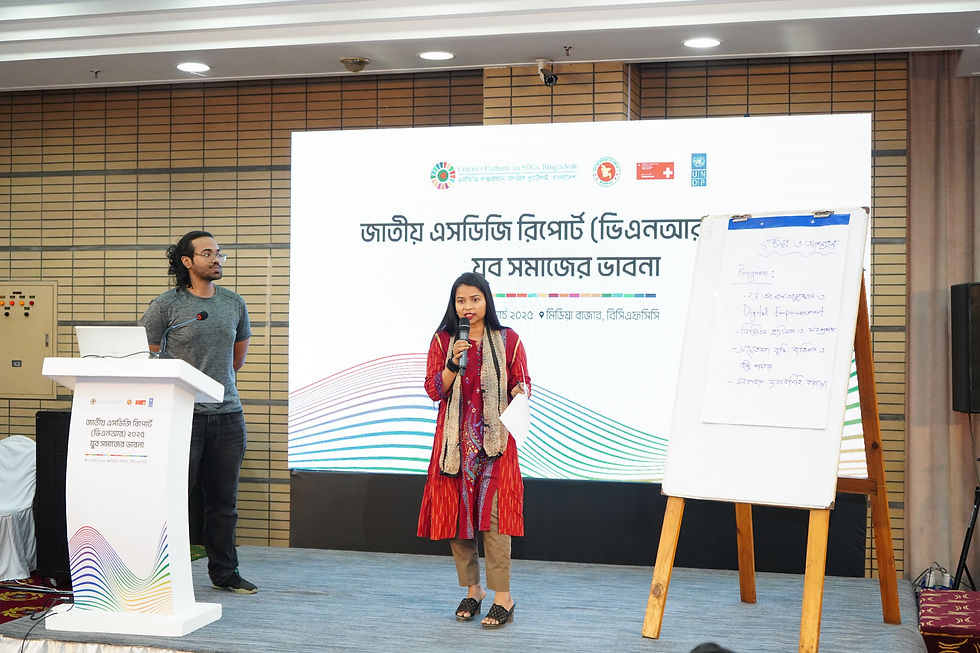
Yes, our project involved collaboration with community members and local groups. We worked closely with women in slum areas, listening to their experiences and involving them in discussions and activities. Their participation made the project more practical and relevant because it was based on real-life challenges. We also collaborated with peer educators who helped us share information more effectively within the community. This made it easier to build trust and reach more people. These collaborations improved the effectiveness of our project because they ensured that our climate change awareness and solutions were community-driven, simple, and easier to adopt in daily life. As a result, more women became engaged and motivated to take action.
What were some key lessons you learned from working on this project related to SDG 13?
We learned that climate change is best understood when connected to daily life. Simple actions like reducing plastic and improving waste management can make a real difference when done by the community. We also realized that using easy language and involving people directly makes climate education more effective and lasting.
Looking ahead, how do you plan to continue your efforts to combat climate change beyond the scope of your project, and what role do you see yourself playing in future climate action initiatives?
Looking ahead, we plan to continue expanding Wellness Warriors by reaching more communities and making our sessions more regular and structured. We want to keep focusing on practical climate education, especially for women in vulnerable areas, so that awareness turns into long-term habits. We also aim to strengthen peer-led activities, where trained community members can continue spreading knowledge even after our direct involvement. This will help the impact last beyond the project itself. In the future, we see ourselves as active advocates for climate action and community health. We want to keep working on initiatives that connect environmental issues with real human experiences, especially mental health and women’s well-being. Our goal is to stay involved in awareness building, community support, and small-scale sustainable solutions that create lasting change.


Comments